Demo Built by Netloom
Get mine
The Beginning

It started with Dida's kitchen.

In the autumn of 1968, Kamala Ghosh — known to everyone as Dida — began feeding her neighbours from her small kitchen in Ballygunge. It was never meant to be a restaurant. It was just food. Good, slow, Bengali food cooked with mustard oil and memory.

Word spread. The neighbours became regulars. The regulars became family. By 1972, Dida had converted the front room of the house into six tables and a proper kitchen. Aangan — meaning "courtyard" — was born not from ambition, but from love.

Her son Suresh took over the ladle in 1991. He kept every recipe intact, added a few of his own, and made one promise to his mother: no shortcuts. That promise is still the rule of the kitchen today.

  • Every recipe comes from Dida's original handwritten notebook
  • The same clay pot has been used for mishti doi since 1975
  • No recipe has been "modernised" without the family's consent
  • Every morning starts at the Gariahat fish market, just as Dida did
Shorshe Ilish est. 1968
Today

Ratan carries the recipe forward.

In 2008, Suresh's son Ratan stepped into the kitchen. He had spent his childhood washing dishes, grinding spices, watching his father cook. By 16, he was stirring the Kosha Mangsho. By 25, he was running the kitchen.

Ratan's approach is the same as his grandmother's: go to the market yourself, pick the fish by eye, buy what's freshest that morning, and cook what the season allows. The board changes every day because the market does.

Today, Aangan seats 48 and serves up to 200 guests every afternoon. But nothing else has changed. The same clay pot. The same notebook. The same promise.

  • Ratan visits the Gariahat fish market at 5 AM every day it's open
  • No frozen ingredients. No pre-made pastes. Ever.
  • The same iron tawa has been used since Dida's time
  • Every guest is welcome to visit the kitchen before leaving
What We Stand For

The values that run our kitchen.

Three principles. Every single day, without exception.
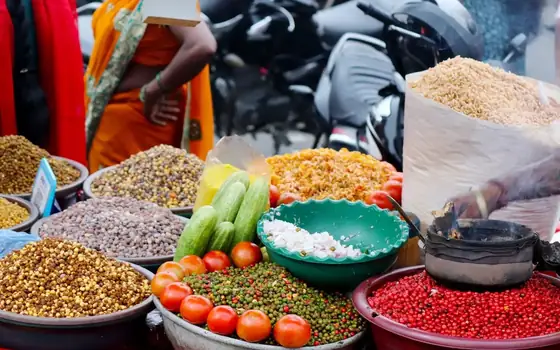
Our Kitchen Sourcing

We buy from the same vendors our grandmother bought from. Gariahat market, before sunrise, every single morning. Freshness is not a marketing word — it's the only reason we go.
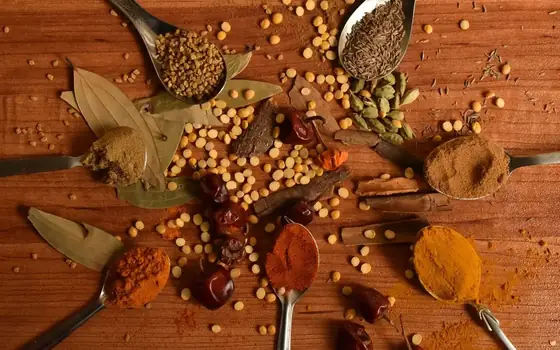
Our Philosophy

Slow cooking is not a trend for us — it's the only way we know. The Kosha Mangsho cooks for three hours. The mishti doi sets overnight. You can't rush memory.
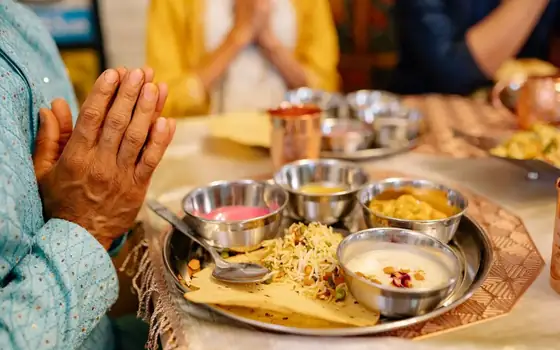
Our Promise

If a dish on our menu was better ten years ago, we've failed. Our promise is consistency — the same flavour, the same warmth, whether it's your first visit or your five hundredth.

A Day at Aangan

From market to table.

The journey of a meal — from 5 AM at the fish market to the story told at your table.

01 — 5:00 AM

Market Morning

Ratan heads to Gariahat fish market before sunrise. Hilsa is chosen by feel, not price. Vegetables from the familiar sabziwala who's known the family for thirty years.

02 — 8:00 AM

Prep Begins

Spice grinding, marination, stock-making. The Kosha Mangsho goes on first — it needs three hours. Mustard is ground fresh. The mishti doi is already set from the night before.

03 — 12:00 PM

Kitchen Opens

Guests arrive. The aroma of mustard oil hits you at the door. Tables fill fast on weekends. Every plate leaves the kitchen in the order it was prepared — no rush, no compromise.

04 — Every Table

Stories Told

Debashis, the manager, knows every regular by name. First-timers get a quick orientation. By the time you finish your Mishti Doi, you know why Aangan is what it is.

Come taste 58 years of cooking.

The table is set, the mustard is ground, and the rice is almost ready. We'll see you at noon.